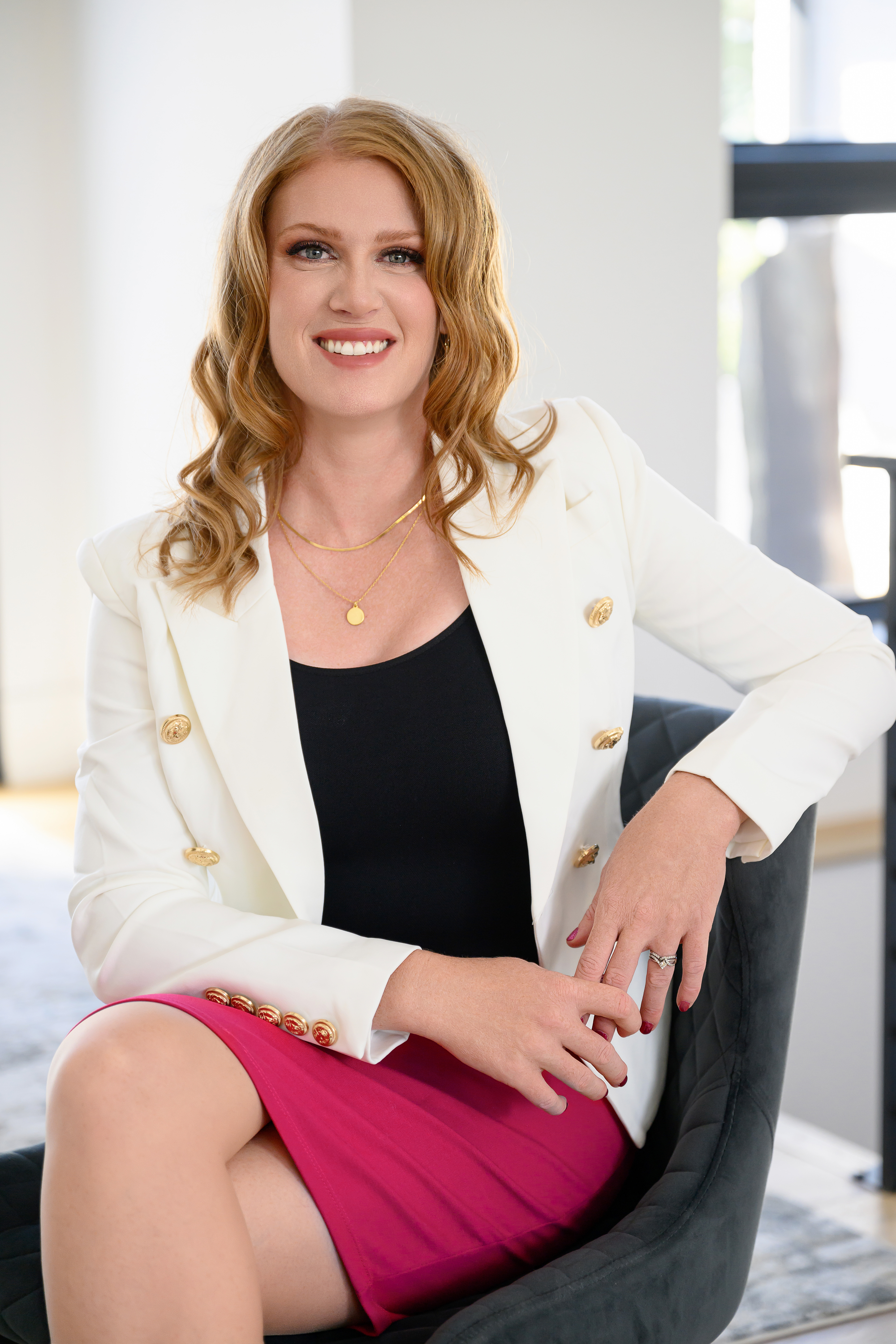
Living Longer Is Good
U N S H A K E A B L E
PEPTALK · PEPTIDES UNPACKED
Built for the ones who don't slow down. Who expect a lot from their body.
Who are here to live better, longer.
Living Longer Is Good. Living Better Is the Goal
Scientists have identified more than 7,000 naturally occurring peptides in the human body. These tiny molecular messengers control how we age, how we heal, and how we function at every level — from cellular repair to hormonal balance to brain clarity.
And as we get older, those signals start to fade. Slower recovery. Less energy. A body that doesn't quite bounce back the way it used to. Most of us accept these changes as inevitable — as just what aging looks like. But what if that acceptance is premature? What if the decline we attribute to getting older is at least partly a communication problem, and one that can be meaningfully addressed?
That's the premise behind peptide therapy for longevity. Not turning back the clock. Not chasing a younger version of yourself. Restoring the signals that tell your body how to repair, regenerate, and keep going — so that however many years you have, you spend them actually living.
Two Grandparents, Two Very Different Stories
Dr. Kylie Burton recently celebrated her grandfather's 90th birthday. He was born in 1935 — when a gallon of gas cost 23 cents and a house went for $6,300. He's still here. But watching him, Kylie's husband said something that stuck: "I really don't want to live like that. I want to be able to take care of myself so that at 75, I can still get on an airplane. At 85, I can still do whatever that looks like for me."
It's not about the number. It's about what the years feel like.
Jessica Briecke's grandmother told a different story. She lived to 87 — and until her final year, before stomach cancer took her, she was vibrant. Sharp memory. Quick wit. Physically capable enough that when Jessica's husband made a smartass comment at a family gathering, her grandmother got up out of her chair and chased him around the tables.
At 87 years old.
What was the difference? Jessica's answer is straightforward: how she nourished her body her entire life. She grew food in her garden. She sourced meat, eggs, and dairy from local farms. She canned everything. She ate whole, pure food before it was trendy to do so — and her body produced the peptides it needed because the environment to produce them was healthy.
What Peptide Therapy for Longevity Actually Means
Longevity-focused peptide therapy isn't about any single compound or protocol. It's about understanding that the body's ability to repair and regenerate depends on a complex signaling network — and that network degrades over time for reasons that are partly inevitable and partly addressable.
Collagen production slows. Growth hormone declines. Metabolic peptides drop. Recovery signals weaken. The gut — where many of these peptides are manufactured — becomes less efficient due to decades of stress, suboptimal nutrition, and environmental exposure.
Peptide therapy doesn't replace what's missing in a static, permanent way. What it does is remind the body how to send those signals again — and how to listen to them. It's less like adding fuel and more like clearing the communication lines so the messages can get through.

The Four Pillars Peptides Support for Longevity
Not Adding Years — Adding Life to the Years
There's a phrase that captures this well: we're not just adding years to life, we're adding life to those years.
Living to 90 while unable to travel, connect, or participate fully isn't the goal. Living to 87 and chasing people around tables at family gatherings — that's the goal. The difference often comes down to the choices made decades earlier: how you ate, how you moved, how you managed stress, and whether you gave your body the support it needed to keep its signals running clearly.
Peptides are one piece of that picture. Not a shortcut, and not a replacement for foundational wellness. But when combined with sleep, movement, nutrition, and stress support, they give the body back something it's been gradually losing — its natural language of healing.
The Bottom Line
You don't have to accept the version of aging that looks like slow decline, increasing limitation, and diminishing vitality. That trajectory is common — but it isn't inevitable.
Here to help you become Unshakeable,
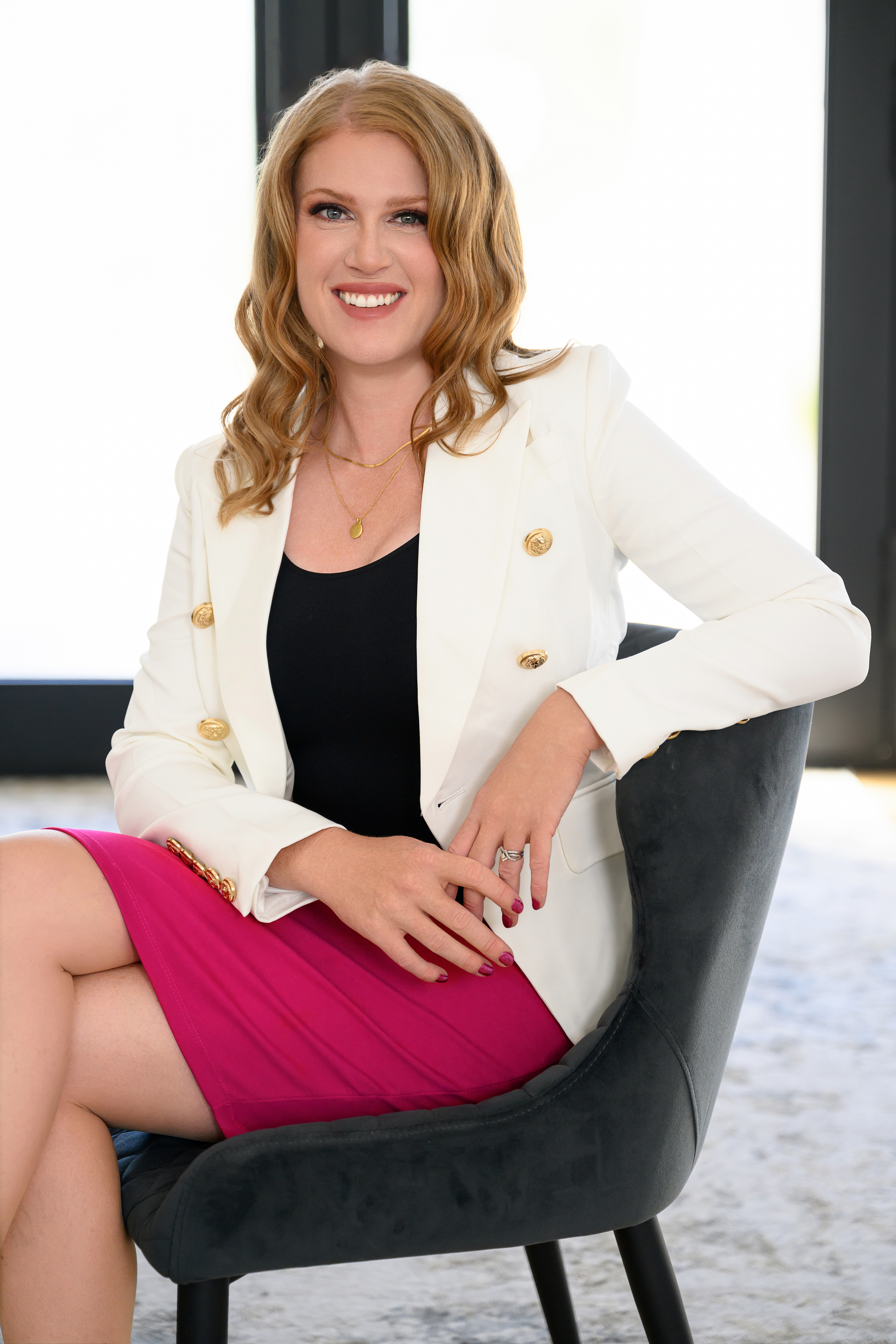
Dr. Kylie
This blog is based on Episode 4 of PepTalk: Peptides Unpacked, hosted by Dr. Kylie Burton and Jessica Briecke.
Learn more at drkylieburton.com
Legal Disclaimer: Every person's health journey is unique. The experiences shared here are real stories from real people working with medical professionals. Your results may differ. Peptide therapy is a prescription treatment that requires doctor supervision. We partner with a telemedicine company that provides access to licensed physicians to assist you in your peptide therapy journey.