
Why Two-Thirds of GLP-1 Users Regain the Weight
U N S H A K E A B L E
PEPTALK · PEPTIDES UNPACKED
Built for the ones who don't slow down. Who expect a lot from their body.
Who are here to live better, longer.
Why Two-Thirds of GLP-1 Users Regain the Weight — And How to Be in the Other Third
Here's a statistic that rarely makes it into the GLP-1 conversation: up to two-thirds of people who use semaglutide or other GLP-1 medications regain most of their lost weight within a year of stopping. Read that again. Two-thirds.
This isn't a failure of the medication. GLP-1 peptides work. The research is robust and the clinical outcomes are real. The problem is how these medications are being used — as standalone interventions rather than as what they actually are: a powerful tool that works best when the foundations are in place.
The good news is that the other third exists. People who keep their results, rebuild their metabolism, and come off therapy with a genuinely different relationship to their body and their health. Here's what separates them.
Why the Rebound Happens
The mechanism of GLP-1 therapy is elegant: it restores the signaling that tells the body how to regulate blood sugar, feel full, and process food efficiently. While you're on it, the body responds to that signaling. When you stop, the underlying conditions that disrupted the signaling in the first place — chronic stress, poor sleep, gut inflammation, nutrient gaps, sedentary habits — are still there. And without the peptide reinforcing the signal, the body drifts back toward its prior baseline.
This is compounded by muscle loss. If adequate protein and resistance training weren't maintained during the weight loss phase, metabolism has slowed. The body is now maintaining a lower weight with a slower metabolic rate — which creates the conditions for rapid regain once appetite returns to pre-therapy levels.
Add in the habit layer: if food was being used as a coping mechanism for stress, trauma, or emotion, and those underlying patterns were never addressed, they return the moment the food noise quiets down and then comes back. The peptide was managing the symptom. The root cause was still there.
Habit #1
Protein Preservation Throughout
The single most important nutritional habit for preventing rebound is maintaining adequate protein intake throughout the entire therapy period — not just at the beginning, not just when you think about it, but consistently, at every meal.
The target is 30 to 35 grams per meal, aiming for 100 or more grams per day. On a plate, protein should take up close to half the space. It comes first, before appetite disappears after the first few bites.
Why does this matter so much for rebound prevention? Muscle is metabolically active. Every pound of muscle burns calories at rest. Lose muscle during weight loss and you've reduced your body's capacity to maintain that lower weight without ongoing restriction. Keep the muscle and the maintenance phase becomes dramatically more sustainable.
Habit #2
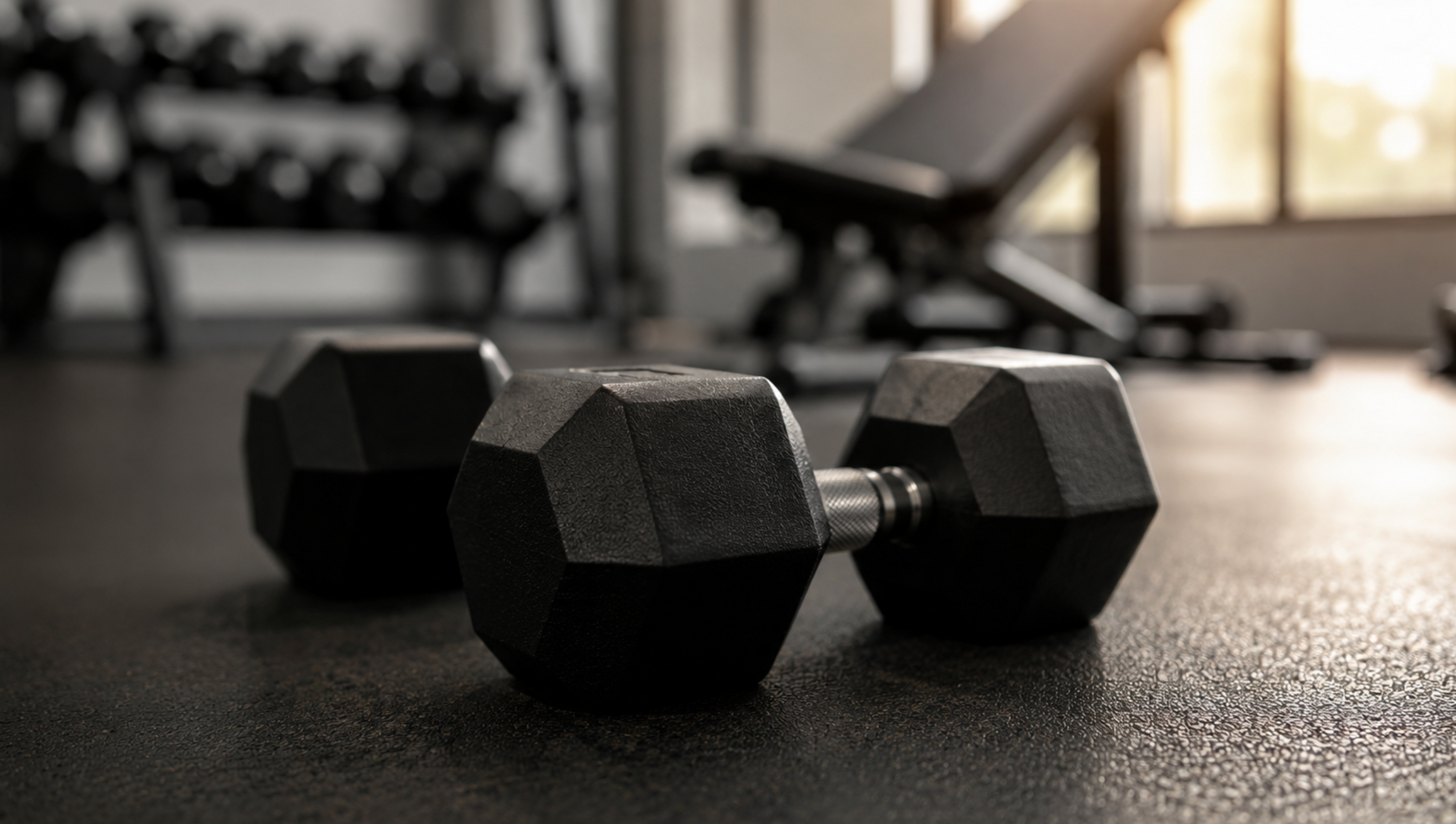
Resistance Training — Non-Negotiable
You cannot eat your way to muscle preservation alone. Resistance training is the stimulus that tells the body to hold onto lean mass while releasing fat. Without it, even high protein intake can't fully prevent the muscle loss that accompanies significant weight change.
The requirement is lower than most people fear: two to three sessions per week, 20 to 30 minutes each, using body weight or light resistance. That's it. Combined with daily walking or other low-intensity movement, it's enough to preserve lean mass, maintain insulin sensitivity, and keep the metabolic rate elevated through the weight loss phase and beyond.
There's an additional benefit specific to GLP-1 therapy: improved insulin sensitivity has anabolic effects. Insulin itself is a muscle-building hormone. When the receptors are working properly — which GLP-1 therapy helps restore — the body's response to even modest resistance training can be significantly better than it was before therapy began.
Habit #3
Sleep as a Non-Negotiable Foundation
Adults sleeping less than six hours a night have up to 30% lower natural growth hormone output. Growth hormone drives repair, muscle preservation, and fat metabolism — the exact processes that GLP-1 therapy is trying to support. Poor sleep also elevates cortisol, which directly suppresses peptide signaling, increases appetite, and promotes fat storage.
Sleep is the one foundational habit that touches every other system simultaneously. Protect it with the same intentionality you bring to protein and movement. Screen curfews, consistent sleep and wake times, minerals like magnesium that support deep sleep quality — these aren't biohacking extras. They're the foundation that makes everything else work.
Habit #4
Minerals and Hydration — The Unsung Heroes
Magnesium, zinc, and sodium are cofactors for peptide synthesis and receptor activation. Without them, the signaling infrastructure that GLP-1 therapy is rebuilding doesn't have the raw materials it needs to function. Low magnesium alone can disrupt sleep, elevate resting heart rate, and impair hundreds of enzymatic functions.
Hydration is equally foundational — minimum 60 ounces per day while on GLP-1 therapy, more during active weight loss phases. The minerals that allow the body to actually use that water matter just as much as the water itself.
These aren't complicated interventions. A quality magnesium supplement, adequate sodium from whole food sources, zinc from protein-rich foods, and consistent water intake are all accessible and inexpensive. They're also among the first things people drop when life gets busy — which is precisely when they matter most.
Habit #5
Mindset and Support — The Long Game
Behavioral research shows that habits drive 40 to 45 percent of daily actions. This means that even with the best physiological support, old patterns will reassert themselves without intentional mindset work.
GLP-1 therapy creates a window — a period of reduced food noise, improved brain function, and restored metabolic signaling — during which new habits are dramatically easier to form. People who use that window to actively build new patterns around eating, movement, stress response, and self-care are the ones in the other third.
Community support and coaching improve long-term adherence by over 60 percent in health programs. This doesn't have to mean formal therapy (though it can). It means having people around you who understand what you're doing and why, who can offer accountability when old patterns pull, and who can help you navigate the inevitable rough patches without reverting to prior coping mechanisms.
Habit #6
The Visualization Practice
Dr. Kylie Burton recommends a simple daily practice that takes two to three minutes and costs nothing: visualization.
Close your eyes. See clearly what your life looks like after peptide therapy — how your body feels, how your relationships are different, what you're capable of doing that you aren't now. Hold that image. Let your brain start to believe it's already true.
The brain doesn't reliably distinguish between a vividly imagined experience and a real one. What you picture consistently, you begin to move toward. Before you can achieve a goal physically, your brain needs to have achieved it mentally. Two to three minutes a day, done consistently, begins to shift motivation, attention, and behavior in ways that compound over time.
Habit #7
Plan for Maintenance Before You Need It
One of the most common rebound triggers is the abrupt stop — finishing a vial, reaching a goal weight, or deciding the therapy has done its job — without a maintenance plan in place.
Maintenance looks different for everyone. Some people transition to a very low weekly microdose indefinitely. Some cycle on and off seasonally. Some come off entirely and rely on lifestyle foundations. Some incorporate bridging peptides like BPC-157 or GHK-Cu to support the transition.
What doesn't work is stopping without a plan and hoping the results hold. Have the maintenance conversation with your provider before you reach your goal — not after. Know what comes next before you get there.
The Bottom Line
The two-thirds who regain aren't failing. They're using a powerful tool without the foundations that make it stick. The other third aren't special. They're just doing the work that the tool was designed to support.
Here to help you become Unshakeable,

Dr. Kylie
This blog is based on Episode 7 of PepTalk: Peptides Unpacked, hosted by Dr. Kylie Burton and Jessica Briecke.
Learn more at drkylieburton.com
Legal Disclaimer: Every person's health journey is unique. The experiences shared here are real stories from real people working with medical professionals. Your results may differ. Peptide therapy is a prescription treatment that requires doctor supervision. We partner with a telemedicine company that provides access to licensed physicians to assist you in your peptide therapy journey.